Luxury Skincare Photography: Defining Your Brand Through Imagery
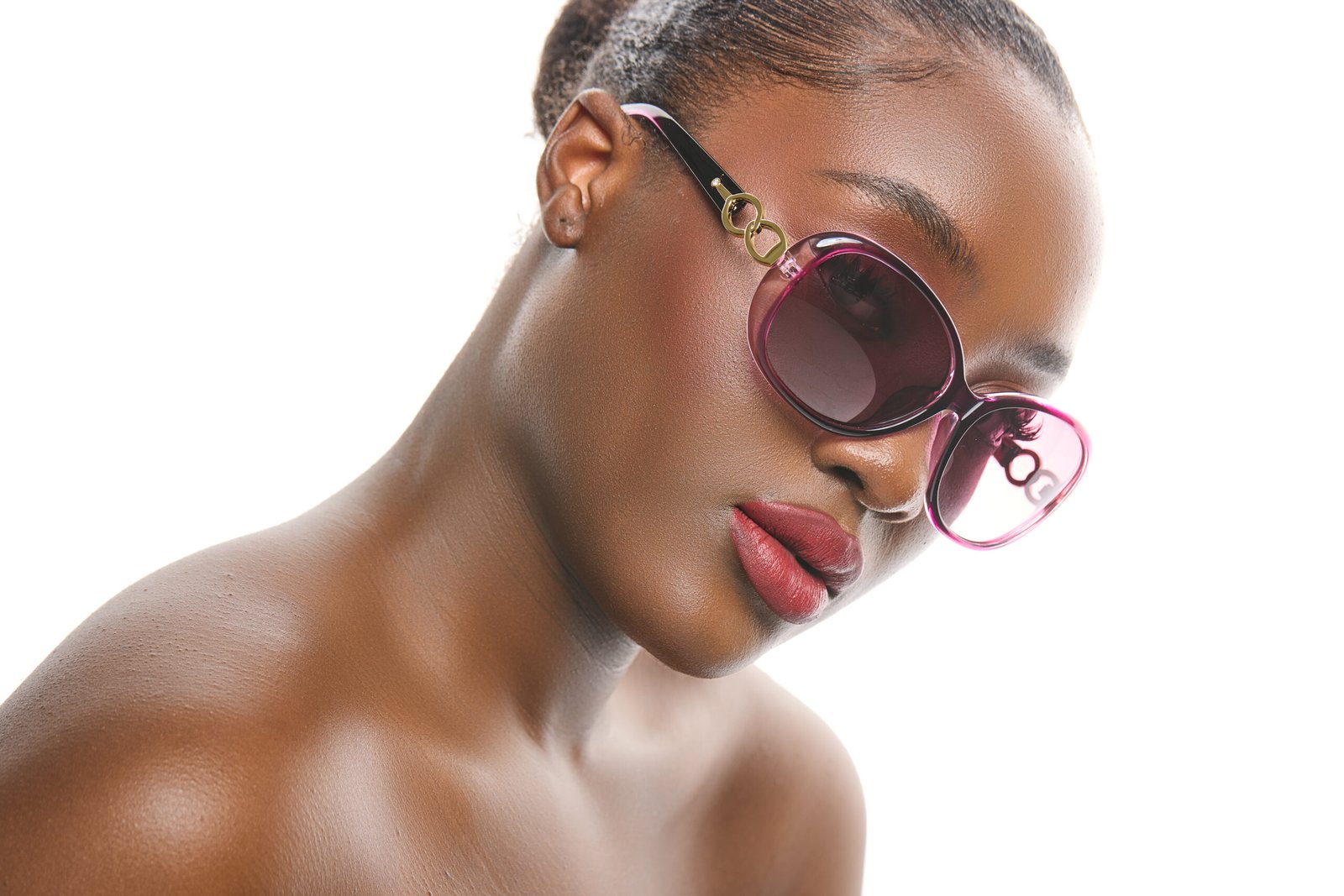
Luxury is perceived long before it is explained.
Walk through a beauty hall in a premium department store, or scroll through the digital storefront of a luxury skincare brand, and something becomes immediately clear.
You rarely need to read a single ingredient list before forming an opinion.
The perception has already been made.
That moment is not accidental. It is designed.
In luxury beauty, photography is no longer a supporting asset. It is often the first and most influential expression of a brand’s identity.
Before texture, before formulation, before results — there is imagery.
And in many cases, that is where the relationship between brand and customer begins.
Where Fashion and Beauty Now Operate in the Same Language
Luxury skincare no longer exists in isolation.
It sits within a wider visual ecosystem shaped by fashion, fragrance, jewellery and contemporary luxury publishing.
And increasingly, they all speak the same visual language.
Fashion, in particular, has set the tone.
Restraint over excess.
Composition over noise.
Emotion over explanation.
The most effective beauty campaigns today don’t try to compete with fashion — they borrow its discipline.
Not to imitate it, but to elevate themselves through it.
A skincare campaign now sits comfortably next to a fashion editorial or a fragrance film. The boundaries have blurred. The expectation has risen.
And in that space, photography becomes the bridge between product and aspiration.
Luxury beauty is no longer about showing what something is.
It’s about suggesting what it means to belong to it.
Photography Is the First Brand Conversation
One of the most consistent truths in luxury branding is this:
People rarely remember individual images.
They remember how a brand made them feel.
That feeling is formed in seconds.
Not through copywriting. Not through product claims. But through visual instinct.
Lighting, tone, composition, colour temperature, model presence — all of it communicates something immediate about value and intent.
Whether consciously or not, the viewer is asking:
Is this brand credible?
Is this brand desirable?
Does this feel like something I trust?
Photography answers those questions before anything else has a chance.
That makes it the most important conversation a brand has.
And first conversations are very difficult to rewrite.
Beyond Aesthetic: Photography as Brand Strategy
There is a tendency to describe luxury beauty photography as “beautiful”.
But beauty alone is not the objective.
Clarity is.
Clarity of identity.
Clarity of positioning.
Clarity of intent.
Every brand communicates something different.
Some are clinical and scientific.
Others are botanical and sensory.
Some are architectural and minimal.
Others are emotive and ritualistic.
The photography must understand that difference — and express it without explanation.
When that alignment happens, imagery stops being decorative.
It becomes strategic.
And strategy, in luxury, is what separates recognition from forgettability.
Consistency Is the Real Luxury Signal
Luxury is rarely defined by individual moments.
It is defined by repetition done exceptionally well.
The strongest brands don’t reinvent their visual identity with every campaign. They refine it.
They build a language — not a collection of disconnected images.
That language extends across every touchpoint:
E-commerce
Social media
Retail environments
Campaign advertising
Editorial placements
Digital storytelling
And the challenge is not producing content for each of these channels.
It is ensuring they all feel like they belong to the same world.
When that happens, something subtle but powerful occurs:
The brand becomes recognisable without its logo.
That is where photography stops being production and becomes equity.
What Marketing Directors Actually Need
From the outside, photography can look like a creative exercise.
From inside a brand, it is a commercial system.
Marketing and brand directors are not commissioning “nice images”.
They are building assets that must perform across multiple platforms, sometimes for months or even years.
That changes everything.
A successful campaign is not just visually strong — it is structurally useful.
It should:
Work across multiple formats without losing meaning
Support future product launches
Strengthen brand positioning over time
Remain visually coherent as the brand evolves
Extend beyond a single campaign window
The best creative conversations rarely start with lighting or cameras.
They start with questions like:
What should this brand feel like in three years?
What do we want to be known for visually?
How does this campaign sit within everything that came before it?
That is where strong photography begins.
Where Fashion Continues to Shape Beauty
Fashion still leads much of the visual thinking in luxury beauty.
Not through imitation, but through influence.
Editorial fashion photography has always understood something fundamental:
You are not selling a product. You are building a world.
That mindset has become central to modern beauty campaigns.
The most compelling skincare imagery today borrows that editorial intelligence — space, restraint, atmosphere, confidence — while still serving a commercial purpose.
It allows beauty to feel elevated without becoming inaccessible.
And it ensures products remain present, without dominating the image.
That balance is where luxury lives.
Photography as Long-Term Brand Equity
A campaign should never be judged only by its launch impact.
The real question is longevity.
Will this imagery still feel relevant in a year?
Will it still represent the brand in different contexts?
Will it still support future product storytelling?
Luxury brands that think this way don’t commission isolated shoots.
They build visual libraries.
Each campaign adds to a growing system of assets that reinforce identity over time.
Not repetition — reinforcement.
That is what creates brand equity.
Mark Francke’s Perspective
The most consistent pattern I’ve observed across luxury beauty and fashion campaigns is simple.
The strongest work never starts with production.
It starts with conversation.
Not about equipment, lighting setups or shot lists — but about identity.
Who is this brand speaking to?
What do we want them to feel?
What impression should remain after they leave the page?
Those questions shape everything that follows.
Over time, I’ve learned that restraint is often more powerful than complexity.
Clean composition. Considered lighting. Confident direction. Space for the product to exist without noise.
When those elements align, photography stops being content.
It becomes part of the brand itself.
That is always the goal.
A Strategic Checklist for Marketing & Brand Managers
Before commissioning a new campaign, it is worth asking a different set of questions — not about execution, but about intention.
Does our imagery reflect where we are going as a brand, not just where we are now?
Would our visual identity be recognisable without a logo?
Are we building consistency or simply producing campaigns in isolation?
Will these assets work across all platforms without dilution?
Are we creating a long-term visual system or a short-term content set?
Does the photography reflect the same level of quality as the product itself?
The answers to these questions often reveal more than a full creative presentation.
Final Thought
Luxury is rarely loud.
It does not need to be.
It is built through consistency, clarity and restraint.
And in a market where consumers are surrounded by constant visual noise, those qualities have become more valuable than ever.
Photography sits at the centre of that system.
Not as decoration.
But as definition.
Because in luxury skincare — as in fashion — the brand is not what you say it is.
It is what people see, before they ever read a word.